Kubba Making Machine FAQ: 10 Common Questions for Food Manufacturers
If you run a food factory or snack production line, investing in an automatic kubba making machine can significantly improve your output and product consistency. But before placing an order, buyers often have questions about capacity, mold customization, dough compatibility, cleaning, and after-sales service.
At Seny Machinery, we have helped thousands of food manufacturers worldwide set up their kubba and stuffed pastry production lines. In this FAQ guide, we answer the most frequently asked questions about our kubba making machines, so you can make an informed buying decision.
1.What Is a Kubba Making Machine?
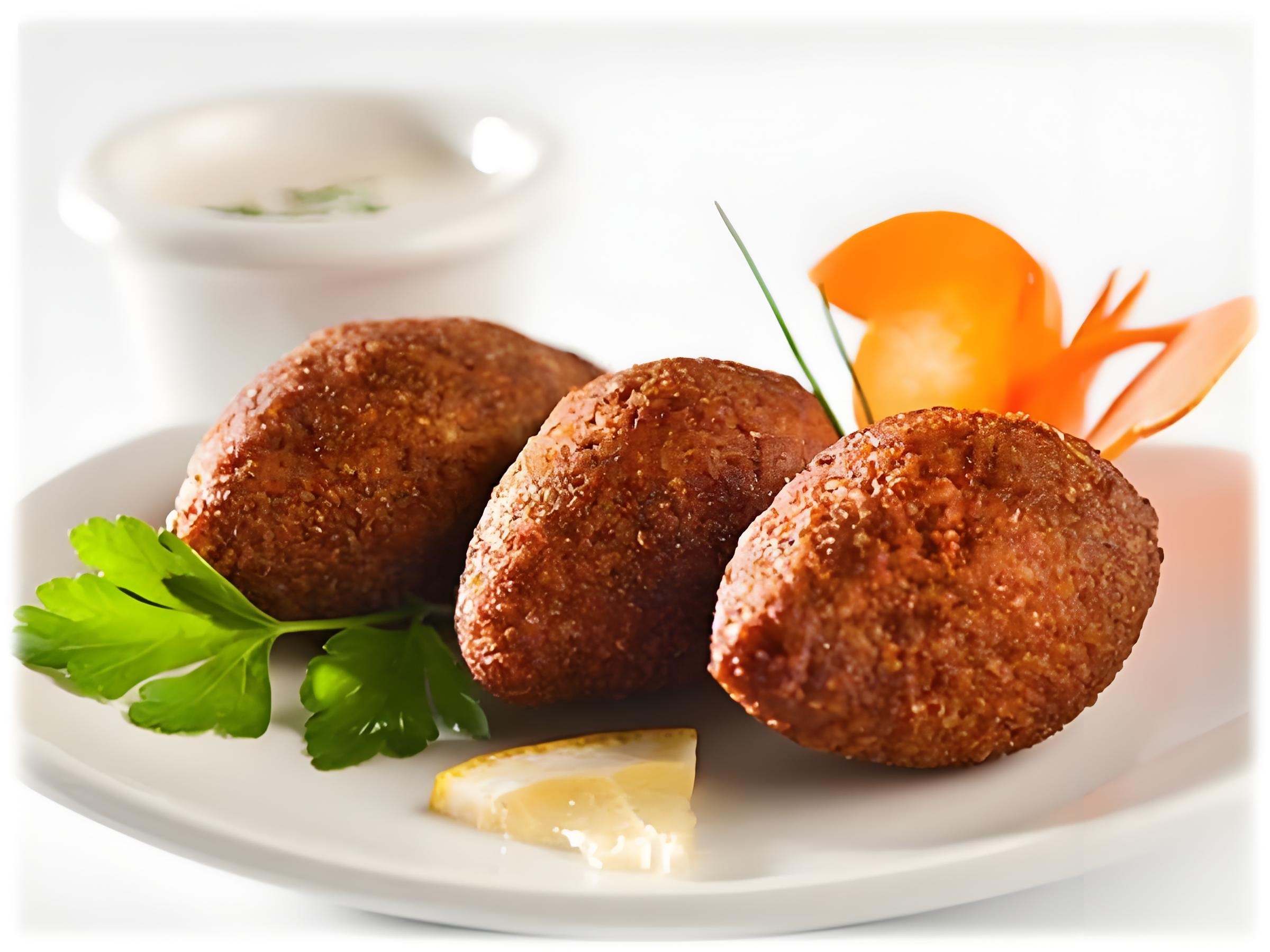
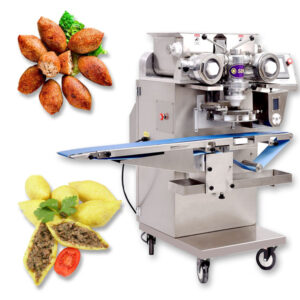
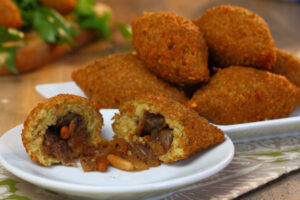
kubba making machine is an automated encrusting and forming machine designed to produce kubba (also spelled kibbeh) — a traditional Middle Eastern stuffed pastry made from bulgur or rice dough filled with spiced meat. Modern commercial models can also produce a wide range of stuffed products by changing molds.
Key components of a kubba making machine
- Dough hopper and feeding system
- Filling hopper and pump
- Encrusting and forming unit
- Mold set (changeable for different shapes)
- PLC touch‑screen control panel
- Conveyor belt for output
2. What Other Products Can a Kubba Making Machine Produce?
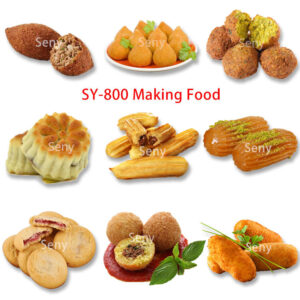
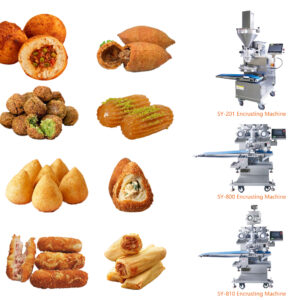
Our kubba making machine is a multi‑functional encrusting machine. By swapping molds and adjusting parameters, it can produce:
- Kubba / Kibbeh (traditional oval shape)
- Coxinha (Brazilian chicken croquette)
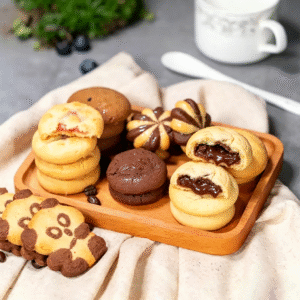
- Maamoul (Middle Eastern filled cookie)
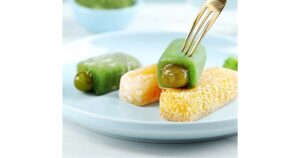
- Mochi (Japanese rice cake)
- Filled cookies and stuffed pastries
- Arancini (Italian rice ball)
- Falafel
This versatility makes it ideal for food factories that want to expand their product range without buying multiple machines.
3. What Is the Production Capacity of Seny’s Kubba Making Machine?
Capacity varies by model. Here is a quick reference:
|
Machine Model |
Output (pieces/min) | Suitable For |
|
Small / Entry |
20 – 80 |
Small workshops, start-ups |
|
Medium / Commercial |
20 – 120 |
Mid-size food factories |
| Large / Industrial | 20 – 120 |
High-volume production lines |
Factors that affect actual output
- Product size and weight
- Dough viscosity and filling ratio
- Mold complexity
- Operator experience
We recommend sharing your target daily output with our team so we can match the right model for your production needs.
4. Can the Machine Handle Sticky or Special Dough Formulas?
Yes. Our kubba making machines are engineered to work with a variety of dough types, including sticky bulgur dough, rice dough, and special formulations.
How we handle sticky dough?
- Adjustable skin thickness and filling ratio via touch screen
- Anti‑stick surface treatment on forming parts
- Optimized screw feeding to reduce dough resistance
- Customized forming structure for ultra‑sticky formulas
Tip: Send us your dough recipe or sample before ordering. Our engineers can run a test and recommend the best configuration for your specific formula.
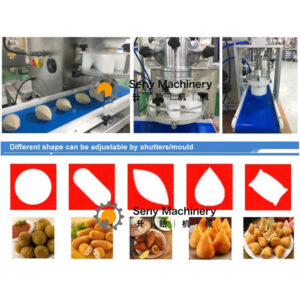
5. Can I Customize Molds for Different Kubba Shapes and Sizes?
Absolutely. Custom mold design is one of our core services. We can manufacture molds for:
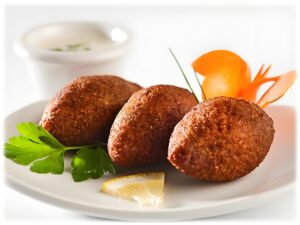
- Traditional oval kubba (various sizes)
- Round kubba
- Pointed‑end kubba
- Special shapes (per your product design)
Information needed for mold customization
- Product shape reference (photo or drawing)
- Target weight per piece (e.g., 30g, 50g, 80g)
- Dimensions (length × width × height)
- Dough‑to‑filling ratio
Our engineering team will provide a mold drawing for your confirmation before production.
6. What Material Is Used? Does It Meet Food‑Grade Standards?
All parts that come into contact with food are made of 304 stainless steel, which meets international food‑processing hygiene standards (including CE and FDA‑compatible requirements).
Why 304 stainless steel matters?
- Corrosion‑resistant and durable
- Easy to clean and sanitize
- Non‑reactive with food ingredients
- Compliant with global food safety regulations
The machine frame and non‑contact parts use painted carbon steel or stainless steel depending on the model, ensuring stability and longevity in factory environments.
7. How Easy Is It to Operate? Do I Need a Professional Technician?
Our kubba making machines feature a user‑friendly PLC touch‑screen interface. Basic operation does not require a professional technician.
What’s included in operation support。
- Detailed operation manual (English version available)
- Step‑by‑step operation video
- Remote video guidance for initial setup
Typically, factory workers can master basic operation within 1‑2 days of training. For complex recipes, our team provides ongoing technical consultation.
8. What After‑Sales Service and Warranty Does Seny Machinery Offer?
We stand behind every machine we sell. Here is our standard after‑sales package:
|
Service Item |
Details |
|
Warranty |
1 year for main machine (excluding wear parts) |
|
Technical support |
Lifetime consultation via email / video call |
|
Spare parts |
Cost‑price supply after warranty expires |
|
Troubleshooting |
Remote video diagnosis within 24 hours |
| Wear parts |
Screws, molds, belts available for order |
We keep commonly used spare parts in stock to minimize downtime for our global customers.
9. Can I Test the Machine Before Placing an Order?
Yes, we encourage it. There are two ways to verify machine performance:
Option 1 — Send us your raw materials
Ship your dough ingredients and filling to our factory. Our technicians will run a full test and send you a detailed test video showing:
- Machine operation
- Product forming quality
- Weight consistency
- Output speed
Option 2 — Visit our factory
We welcome customers to visit our production facility in China for a live demonstration.
10. How Long Is the Production and Delivery Lead Time?
|
Order Type |
Production Lead Time |
|
Standard model (in stock) |
7 working days |
|
Standard model (made to order) |
15 – 20 working days |
| With custom molds |
5 – 7 working days |
|
Full production line |
20 – 45 working days |
After production, we will transport according to the logistics mode you choose, and we will confirm the exact schedule before you place an order.
Ready to Start Your Kubba Production Line?
At Seny Machinery, we specialize in food processing equipment for manufacturers worldwide. Whether you need a single kubba making machine or a complete stuffed pastry production line, our team is ready to help.
Get in touch today for:
- A customized machine quotation
- A free test video with your recipe
- Professional production line planning
Don’t miss out on the opportunity to enhance your kubba production. Visit our website at Seny Machine today to explore our kubba making machine and find the perfect fit for your business. Invest in your success with Seny and start creating high-quality kubba that delights your customers!